
- 0
- 1,950 word
Understanding Windshield Repair vs Replacement Costs in Detail
A vehicle owner often faces confusion when dealing with windshield damage, especially when deciding between repair and full replacement. The decision depends on several factors, including cost, safety, and the severity of the damage. This comprehensive guide explores every aspect of windshield repair vs replacement cost comparison, helping a reader make informed and practical decisions. Understanding the differences is essential because choosing the wrong option may lead to higher expenses or compromised safety. Modern vehicles rely heavily on windshield integrity, making it more than just a piece of glass. This article breaks down costs, factors, benefits, and long-term implications in a structured and easy-to-understand manner.
What Is Windshield Repair?
Windshield repair refers to fixing minor damage such as chips or small cracks without replacing the entire glass. This process involves injecting a specialized resin into the damaged area to restore structural integrity and improve visibility. Repair is often considered a cost-effective solution when the damage is minimal and does not obstruct the driver’s view. It is commonly used for chips smaller than a coin or cracks shorter than a few inches. The process is quick and usually completed within an hour. Many vehicle owners prefer repair because it preserves the original factory seal, which plays a critical role in vehicle safety.
Benefits of Choosing Repair
Repair offers several advantages that make it appealing to vehicle owners dealing with minor damage. It is significantly cheaper compared to replacement, making it a budget-friendly option. Additionally, the process is faster, often requiring less than an hour to complete. Insurance companies frequently cover repair costs fully, reducing out-of-pocket expenses. Repair also helps maintain the original windshield, which is generally stronger than aftermarket replacements. Furthermore, it is environmentally friendly, as it reduces glass waste. These benefits make repair a practical solution when the damage meets repairable conditions.
Limitations of Windshield Repair
Despite its advantages, windshield repair has limitations that must be considered carefully. It cannot fix large cracks, deep damage, or issues near the edges of the windshield. Repairs may also leave slight visual distortions, which could affect aesthetics. In some cases, the damage may spread even after repair, especially under extreme temperature changes. Additionally, repair does not restore the windshield to its original strength completely. This means that while it is safe for minor issues, it may not be suitable for severe damage. Understanding these limitations is crucial before choosing repair over replacement.
What Is Windshield Replacement?
Windshield replacement involves removing the damaged glass entirely and installing a new one. This option is necessary when the damage is extensive or compromises the structural integrity of the vehicle. Replacement ensures that the windshield meets safety standards and provides clear visibility. The process includes removing the old windshield, cleaning the frame, applying adhesive, and installing new glass. It typically takes a few hours to complete and may require additional time for the adhesive to cure properly. Replacement is often unavoidable in cases where repair is no longer effective.
Advantages of Replacement
Windshield replacement offers a complete solution to severe damage, ensuring maximum safety and visibility. A new windshield eliminates all cracks, chips, and distortions, providing a clear driving experience. It also restores the structural integrity of the vehicle, which is essential during accidents. Replacement is often recommended for modern vehicles equipped with advanced driver assistance systems that rely on windshield sensors. Additionally, a new windshield can improve the overall appearance of the vehicle. While it is more expensive than repair, it provides long-term reliability and peace of mind.
Drawbacks of Replacement
Replacement comes with higher costs compared to repair, making it less appealing for minor damage. The process takes longer and may require the vehicle to remain unused for several hours. There is also a risk of improper installation, which can lead to leaks or wind noise if not done correctly. Replacement may affect the original factory seal, which is often stronger than aftermarket adhesives. Additionally, recalibration of sensors may be required, increasing the overall cost. These drawbacks highlight the importance of choosing a qualified professional for replacement services.
Cost Comparison: Repair vs Replacement
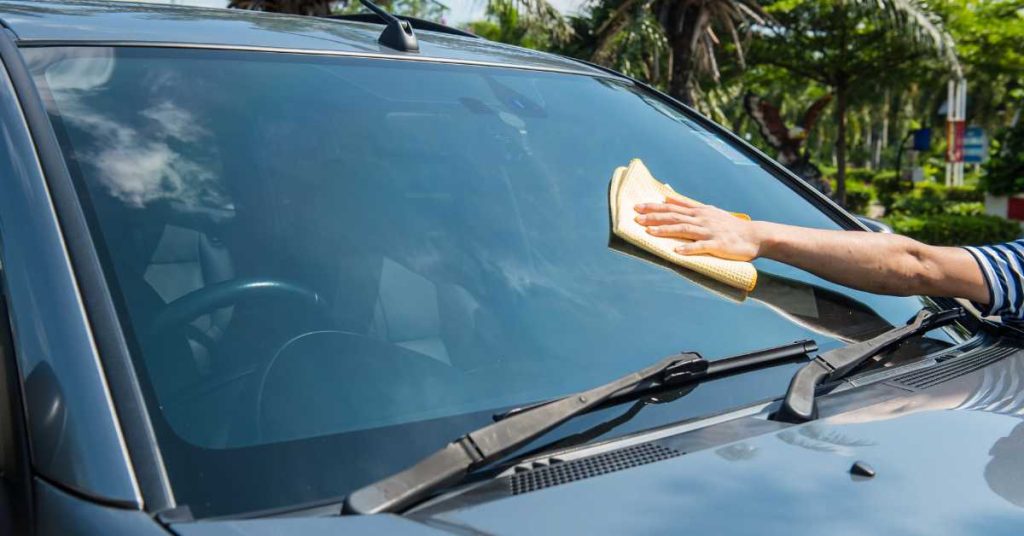
The cost difference between windshield repair and replacement is significant and often influences the decision-making process. Repair typically costs between fifty and one hundred dollars, depending on the size and location of the damage. In contrast, replacement can range from two hundred to over one thousand dollars, especially for vehicles with advanced features. Factors such as vehicle type, glass quality, and labor charges contribute to the overall cost. Insurance coverage also plays a role, as many policies fully cover repairs but only partially cover replacements. Understanding these cost differences helps in making a financially sound decision.
Factors Affecting Repair Costs
Several factors influence the cost of windshield repair, making it important to evaluate each situation individually. The size of the damage is a primary factor, as larger chips require more resin and time. The location of the damage also matters, with repairs near the edge being more complex. The type of vehicle can impact costs, as luxury cars may require specialized materials. Additionally, the number of chips needing repair can increase the total price. Environmental conditions and technician expertise also play a role in determining repair costs. Considering these factors ensures accurate cost estimation.
Factors Affecting Replacement Costs
Replacement costs are influenced by multiple variables, making them more complex than repair expenses. The type of glass used, such as original equipment manufacturer or aftermarket, significantly affects pricing. Vehicles with advanced features like rain sensors or lane departure systems require specialized windshields, increasing costs. Labor charges vary depending on the technician’s expertise and location. Adhesive quality and curing time also impact the overall expense. Additionally, recalibration of sensors can add to the cost. These factors make replacement a more expensive but necessary option in certain situations.
When Repair Is the Best Choice
Repair is the best option when the damage is minor and meets specific criteria. Small chips and short cracks that do not obstruct the driver’s view are ideal for repair. It is also suitable when the damage is located away from the edges of the windshield. Repair is recommended for those seeking a quick and cost-effective solution. Insurance coverage often makes repair even more attractive. Additionally, preserving the original windshield is beneficial for maintaining factory standards. Choosing repair under these conditions ensures safety and cost efficiency without unnecessary replacement.
When Replacement Is Necessary
Replacement becomes necessary when the damage is extensive or compromises safety. Large cracks, multiple chips, or damage near the edges require a full replacement. It is also essential when the driver’s visibility is affected. Modern vehicles with advanced systems often require replacement to maintain proper functionality. If the damage has been previously repaired and continues to spread, replacement is the safer option. Ignoring severe damage can lead to accidents and higher repair costs in the future. Understanding these scenarios helps in making the right decision for long-term safety.
Safety Considerations
Safety is a critical factor when choosing between repair and replacement. The windshield plays a vital role in protecting passengers during accidents and supporting the vehicle’s structure. Even minor damage can weaken the glass, increasing the risk of shattering. Repair restores some strength but does not fully match the original condition. Replacement ensures maximum safety by providing a new, intact windshield. Drivers must prioritize safety over cost when dealing with significant damage. Regular inspections and timely action can prevent minor issues from becoming major hazards.
Insurance and Cost Coverage
Insurance policies often influence the decision between repair and replacement. Many insurance providers cover windshield repairs fully, making it a preferred option for minor damage. Replacement may involve deductibles, depending on the policy terms. Some policies offer full glass coverage, reducing out-of-pocket expenses for replacements. It is important to review insurance details before making a decision. Filing a claim for repair is usually straightforward and does not affect premiums. Understanding insurance coverage helps in minimizing costs while ensuring proper windshield maintenance.
Environmental Impact
Environmental considerations play an important role in the decision-making process. Windshield repair is more eco-friendly, as it reduces glass waste and conserves resources. Replacement generates more waste, contributing to environmental concerns. Recycling old windshields is possible but not always efficient. Choosing repair when feasible helps in reducing environmental impact. Additionally, fewer materials are used in repair, making it a sustainable option. Vehicle owners who prioritize sustainability often prefer repair over replacement when conditions allow.
Long-Term Cost Implications
Long-term costs should be considered when choosing between repair and replacement. Repair is cheaper initially but may require additional fixes if the damage spreads. Replacement has a higher upfront cost but provides a permanent solution. Ignoring minor damage can lead to costly replacements later. Regular maintenance and timely repairs help in reducing long-term expenses. Investing in quality replacement when necessary ensures durability and safety. Evaluating long-term implications helps in making a financially and practically sound decision.
Choosing the Right Service Provider
Selecting a reliable service provider is crucial for both repair and replacement. A skilled technician ensures proper assessment and high-quality work. Poor workmanship can lead to recurring issues and additional costs. It is important to choose a provider with experience and positive reviews. Professional services offer warranties, providing peace of mind. Comparing multiple providers helps in finding the best value for money. Vehicle owners can visit here to explore professional solutions and understand service options better.
DIY vs Professional Services
Some vehicle owners consider do-it-yourself solutions for windshield repair. While DIY kits are available, they may not provide the same quality as professional services. Improper application can worsen the damage, leading to higher costs. Professional technicians use advanced tools and high-quality materials, ensuring better results. DIY solutions may be suitable for very minor damage but are not recommended for significant issues. Choosing professional services ensures safety, durability, and proper handling of the windshield.
Impact on Vehicle Value
Windshield condition can affect the overall value of a vehicle. A damaged or poorly repaired windshield may reduce resale value. Buyers often consider visible defects as a sign of poor maintenance. Replacement improves the appearance and value of the vehicle. Repair, when done correctly, maintains the original condition and does not significantly impact value. Keeping the windshield in good condition is essential for maintaining the vehicle’s market appeal.
Common Myths About Windshield Repair and Replacement
There are several misconceptions surrounding windshield repair and replacement. Some believe that all cracks require replacement, which is not always true. Others think that repair is only a temporary fix, while modern techniques provide lasting results. Another common myth is that replacement always uses inferior glass, which depends on the provider. Understanding these myths helps in making informed decisions. Accurate knowledge prevents unnecessary expenses and ensures proper windshield care.
Tips for Maintaining Windshield Health
Maintaining windshield health is essential for preventing costly repairs and replacements. Regular cleaning helps in identifying minor damage early. Avoiding extreme temperature changes reduces the risk of cracks spreading. Parking in shaded areas protects the glass from heat stress. Using proper cleaning tools prevents scratches. Addressing minor chips immediately prevents them from turning into larger cracks. Following these tips ensures a longer lifespan for the windshield and reduces maintenance costs.
Final Thoughts on Cost Comparison
Choosing between windshield repair and replacement depends on multiple factors, including cost, safety, and damage severity. Repair is a cost-effective and quick solution for minor issues, while replacement provides a comprehensive solution for severe damage. Understanding the differences helps vehicle owners make informed decisions. Evaluating factors such as insurance, environmental impact, and long-term costs ensures the best outcome. Proper maintenance and timely action play a crucial role in minimizing expenses and ensuring safety.
Author

BenjaminGreen@gmail.com